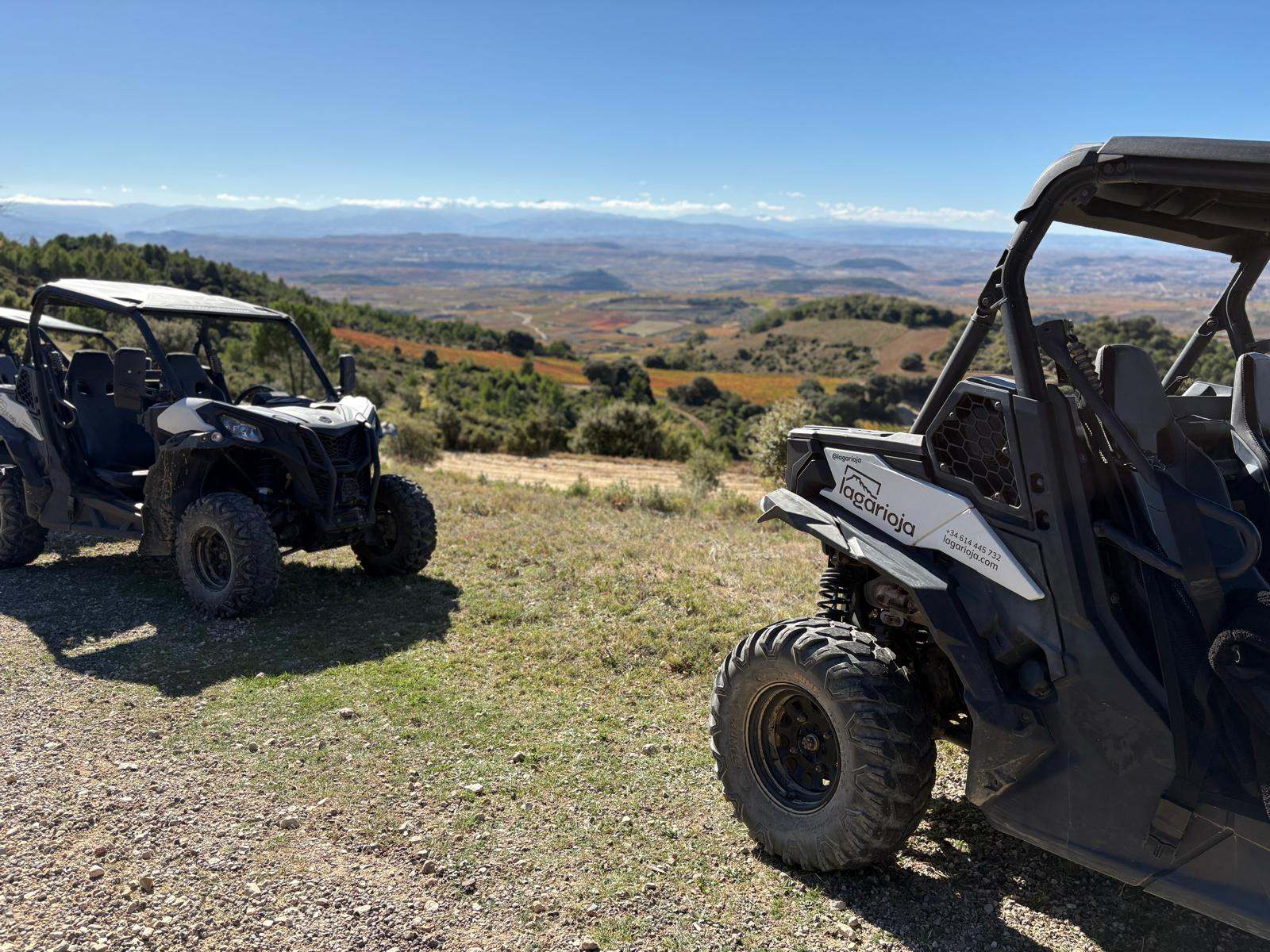
There’s a received idea about this region: that you come to Rioja Alavesa in summer or for the harvest, and that from November to March the place shuts down.
It’s the other way round. For a lot of people who live here, the cold months are the best time of year in the region. And not as a consolation — for concrete reasons.
1. The vineyard changes colour, then changes shape
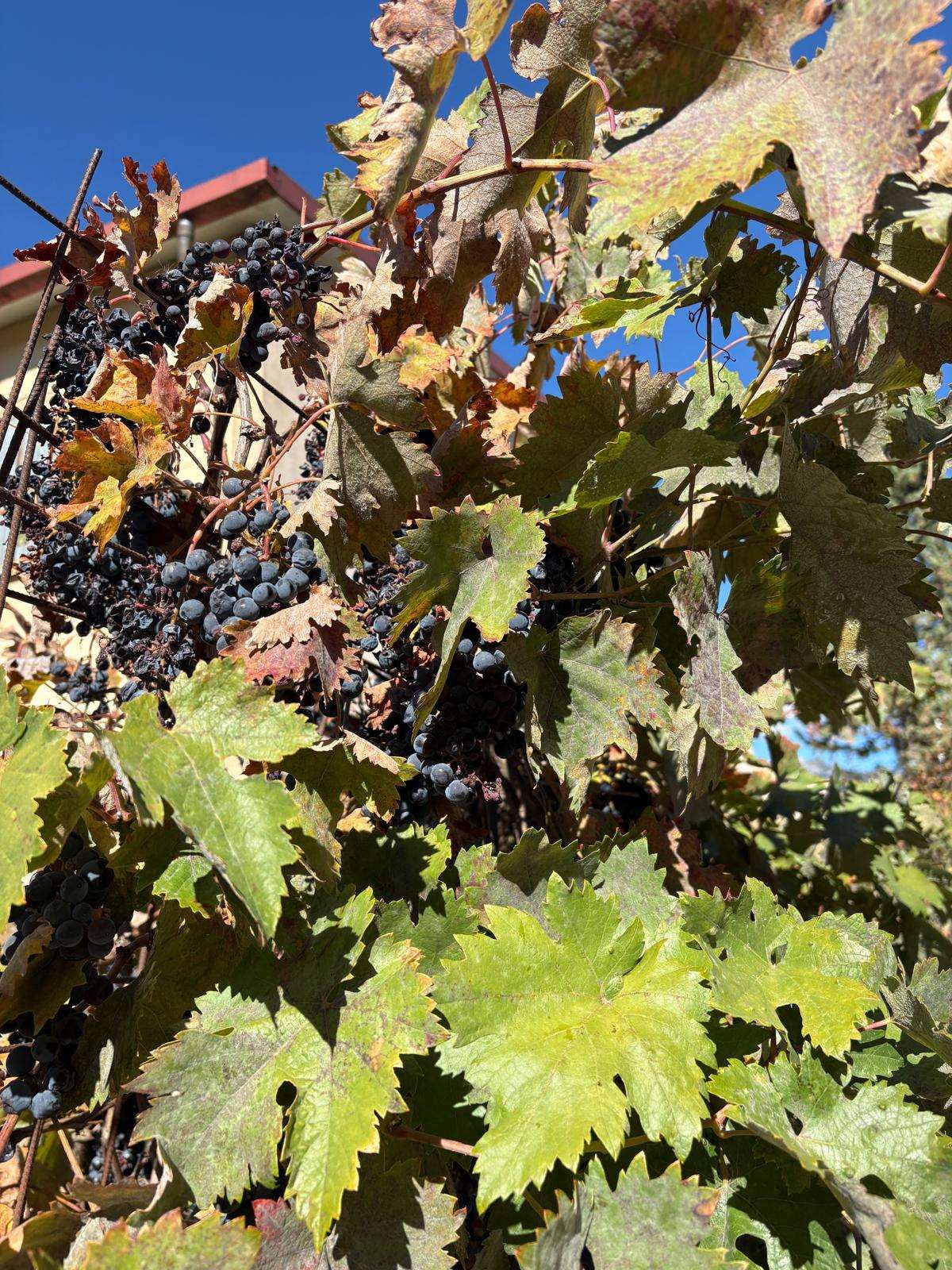
Through October and November the Tempranillo leaves turn red, ochre and yellow. Because every plot runs to its own clock, the whole region becomes a mosaic of different tones. It’s by far the most spectacular moment of the year, and it doesn’t last long.
From December onwards something else happens, less obvious and very beautiful: the vines go bare and the geometry appears. Without leaves you see the rows, the terraces, the pattern people have been drawing on this hillside for centuries. The landscape stops being a green mass and becomes lines.
2. The air clears and the mountains turn white
In summer the heat raises a haze that eats the horizon. In winter that disappears: the air goes transparent and from any high point you see far further.
And the Sierra de Cantabria, which rises above 1,400 metres, is frequently covered in snow. Bare vineyard in the foreground and a white wall behind it: the image you simply can’t get in August.
3. The villages belong to the people who live in them
Laguardia in August is a beautiful village full of people. Laguardia in January is a beautiful village.
You can walk the walled centre without dodging anyone, get a table without booking days ahead, and find yourself on a winery tour with three other people instead of twenty-five. That difference isn’t small: it’s the difference between visiting a place and being in it.
4. The vineyard is still working
Many people assume the countryside stops after the harvest. It doesn’t.
Pruning runs from January to March, and it’s the task that most determines next year’s crop: how each vine is cut decides how much fruit it will carry and of what quality. Come in those months and you’ll see crews out in the vines and cut canes piled along the tracks.
Some wineries in the region even run pruning experiences, where they explain the vine’s cycle and let you prune. It’s an unusually unvarnished way to understand this place.
5. Indoors starts to make sense
When it’s cold, the indoor plans stop being a fallback.
- The calados of Laguardia, underground cellars hand-dug beneath the old town between the 15th and 18th centuries, hold a constant temperature all year: in winter you appreciate them twice as much.
- El Fabulista, a cellar beneath a 17th-century palace once home to the fabulist Samaniego.
- The Villa-Lucía wine museum, just outside Laguardia.
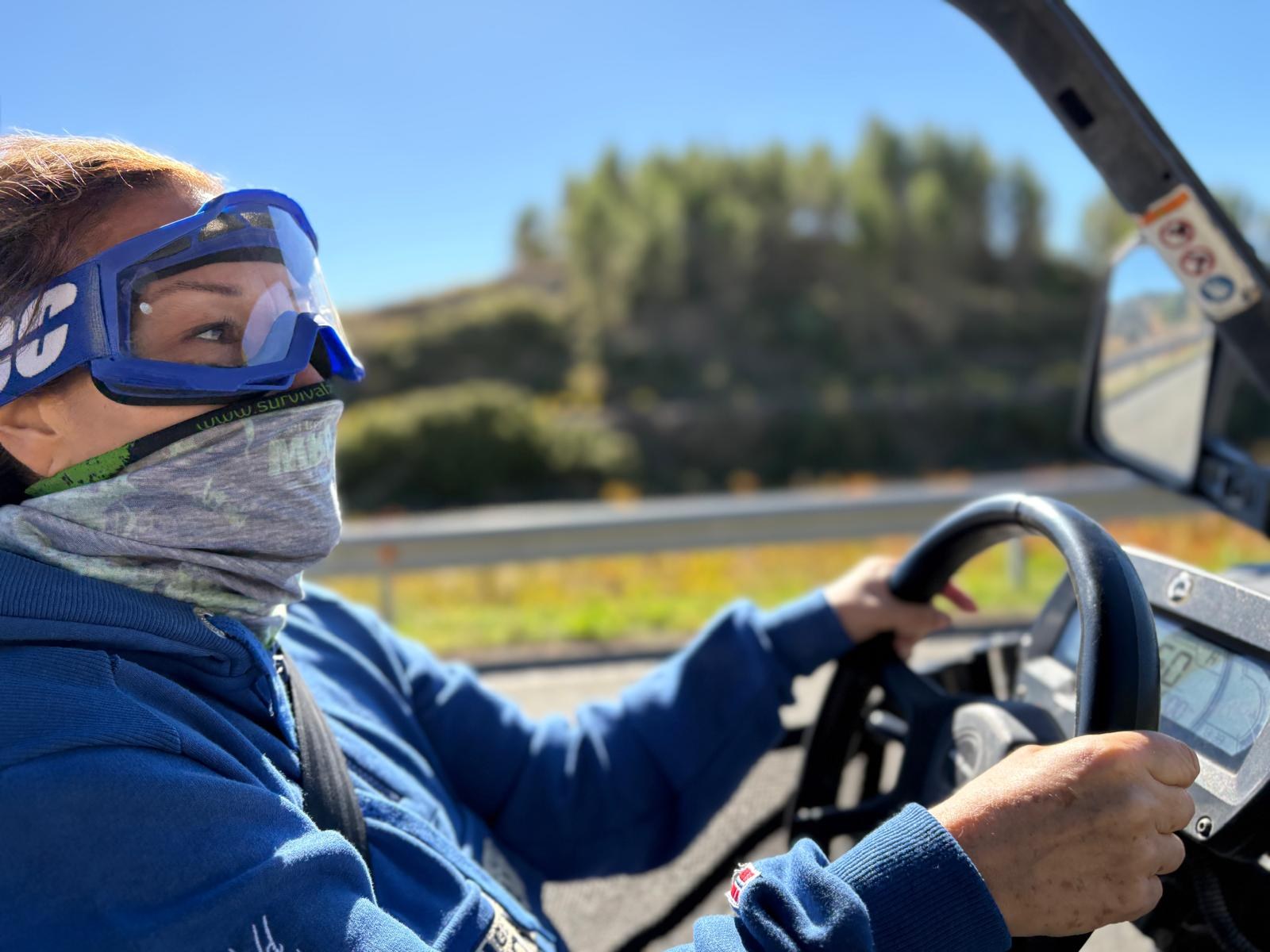
And a buggy tour in winter? Better than you’d think
It’s the question we get the moment the temperature drops, so let’s take it head on.
Tours still run. Barring a weather alert, they operate year-round.
The helmet keeps you warm. In summer almost everyone picks protective goggles, because at thirty degrees a helmet is hot. In winter it’s the reverse: the helmet is the one everyone wants, because there’s a draught once you’re moving and it shields you from a fair bit of the cold. You choose, and we provide both.
There’s less dust. With damp ground, the tracks don’t throw up the summer dust cloud. You finish considerably cleaner.
The light is better and it arrives earlier. In December you have sunset light by four in the afternoon. What takes an eight o’clock departure in July, you get mid-afternoon in winter.
What to wear: layers. A windproof shell on top makes more difference than a heavy coat, because what chills you is moving air, not the temperature. Gloves, a hat under the helmet, and closed shoes.
A weekend plan for these months
| Morning | Afternoon | |
|---|---|---|
| Saturday | Laguardia with no queues: walled centre and an underground calado | Buggy tour with low light and the sierra behind |
| Sunday | A winery, unhurried and without a crowd | Long lunch and a viewpoint at sunset |
Frequently asked questions
Is Rioja Alavesa worth visiting in winter? Yes. Bare vines reveal the geometry of the landscape, the air is clear, the mountains usually carry snow, and villages and wineries can be visited without crowds.
When is the best time of year to visit Rioja Alavesa? October, for the colour of the vines. But from November to March you gain in quiet and in light, and lose very little.
Is it very cold? It’s an inland winter: dry cold, morning frosts, and days that often open sunny. Layers handle it.
Do wineries open in winter? Yes, though many reduce their hours and some close a weekday. Still book ahead — but getting a place is far easier.
Can I do a buggy tour in cold or wet weather? Yes. Tours run year-round barring a weather alert, and the helmet we offer keeps you notably warmer. If conditions make it unsafe, we reschedule or refund.
The region with nobody in front of you
Between November and March you get the same landscape, better light and half the people.
👉 See our buggy tours through Rioja Alavesa and Rioja Alta — departures from Laguardia, bookable online.
Planning further: things to do in Rioja Alavesa and the best viewpoints in the region.
Ride The Land.