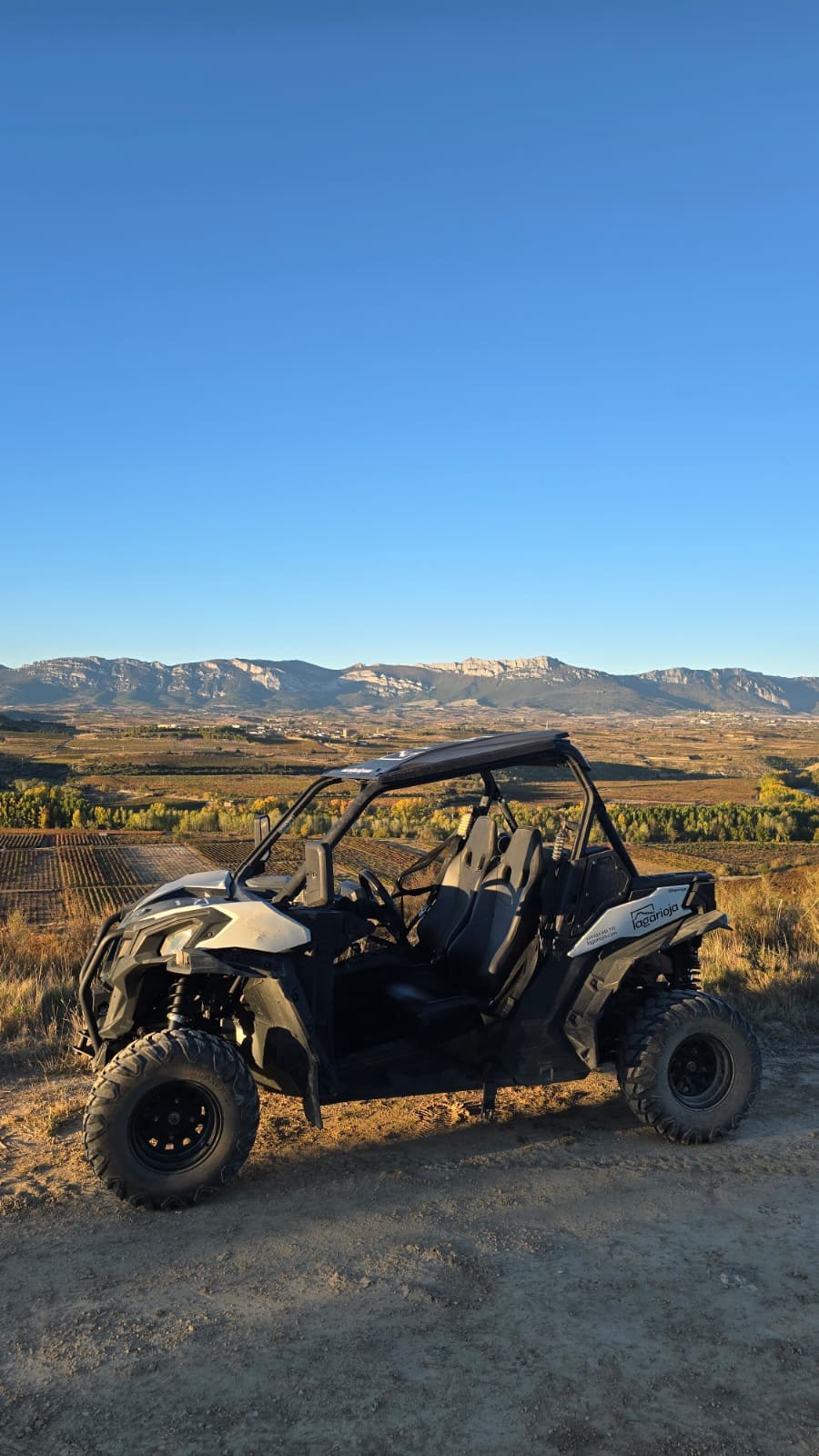
Of the three Basque provinces, Álava is the one fewest people visit. Bizkaia has Bilbao and the Guggenheim; Gipuzkoa has San Sebastián and the coast; Álava has… well, that’s what this article is about.
Nobody queues here. It’s also the largest of the three, with a city, mountains, a salt desert and a wine region. Let’s go area by area.
Vitoria-Gasteiz
The capital of Álava and of the Basque Country, and one of the easiest cities in Spain to spend a day in.
The medieval old town is shaped like an almond, which is what people call it: la Almendra Medieval. Concentric streets running up a hill, named after the trades that once filled them: Cuchillería for the cutlers, Herrería for the smiths, Zapatería for the shoemakers.
Santa María Cathedral is visited mid-restoration, literally. The program is called «Open for Works»: they hand you a hard hat and walk you through the scaffolding to see how a 13th-century cathedral gets put back together. Ken Follett liked it enough to take inspiration from it, and there’s a statue of him outside.
The Green Belt (Anillo Verde) is a ring of parks around the whole city, walkable or cyclable. It’s part of why Vitoria was named European Green Capital in 2012.
Time it needs: a full day, or two if you want to take it slowly.
The Salt Valley of Añana
If you only see one thing in Álava and you’d rather it wasn’t a city, make it this.
It’s an entire valley of salt pans terraced in wood, fed by saltwater springs. They’ve been working for around 7,000 years, and that isn’t a typo. The FAO has recognized the site as a Globally Important Agricultural Heritage System.
It doesn’t look like anywhere else: a hillside covered in white platforms, deep inland, a hundred kilometers from the sea.
You visit with a guide, and you can finish with your feet in warm brine.
Time it needs: half a morning.
Rioja Alavesa
The south of the province, and the part we work in.
It’s a plain of vineyard tilted between the Sierra de Cantabria and the Ebro, with medieval villages perched on the hilltops. Laguardia, the regional capital, is a walled town with no cars inside and an entire excavated underworld beneath it: the calados, cellars hand-dug under the houses between the 15th and 18th centuries.
Ten minutes away is Elciego, with the titanium hotel Frank Gehry built at Marqués de Riscal. And scattered across the region are dolmens thousands of years old, reached down dirt tracks.
They make Rioja wine here, and they make it in the Basque Country: this is the Basque share of the denomination. The full explanation is in buggy tours in the Basque Country.
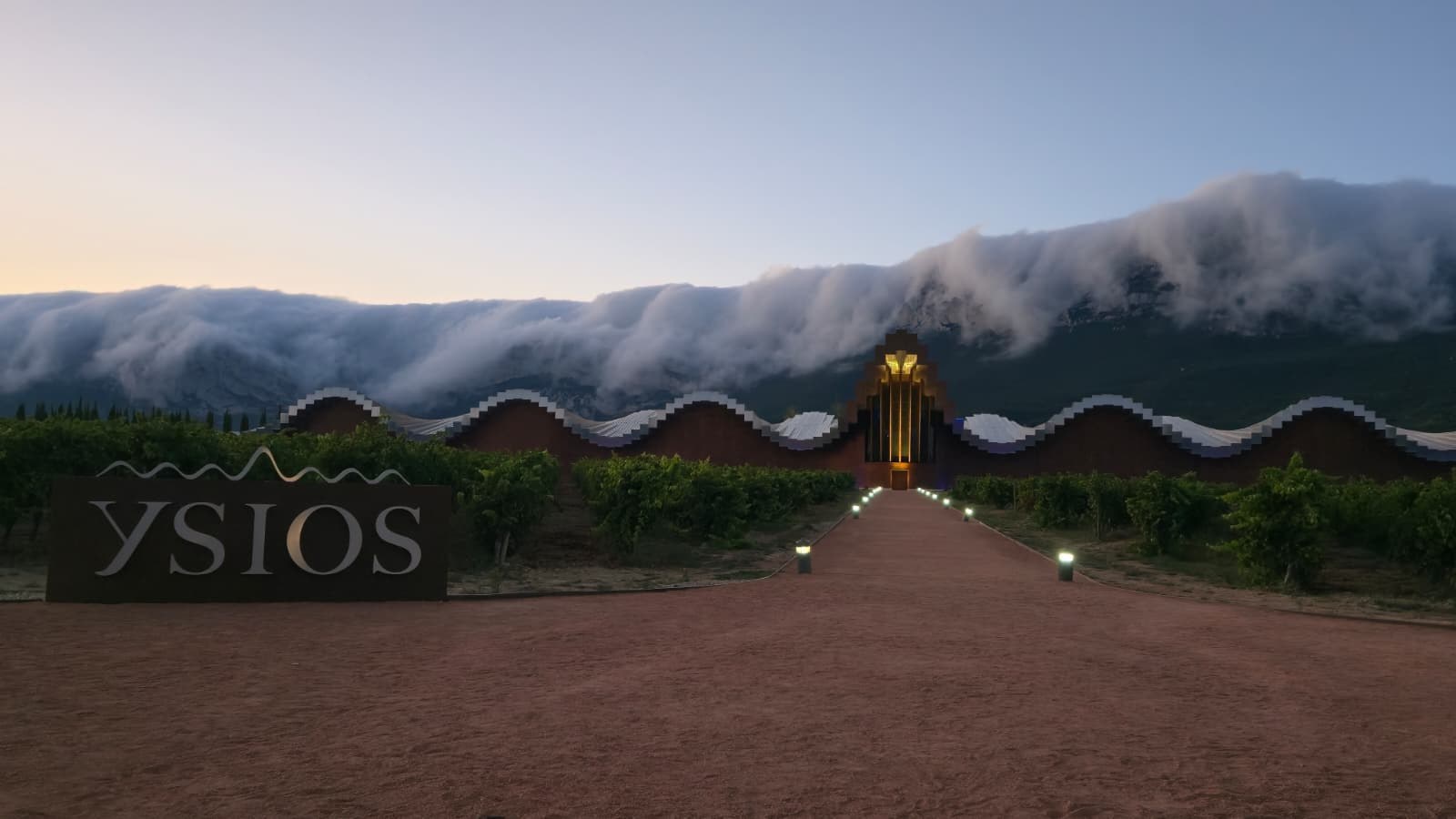
We go into the region properly in things to do in Rioja Alavesa and the best viewpoints in the region.
Time it needs: a day minimum. A weekend if you want to go inside wineries.
The natural parks
Álava has real mountains, and fairly empty ones.
Gorbeia is the largest natural park in the Basque Country: around 20,000 hectares across Álava and Bizkaia, designated in 1994. Its summit, above 1,400 meters, carries an iron cross visible from half the province.
Valderejo, in the west, is far smaller, about 3,500 hectares designated in 1992, and holds the largest griffon vulture colony in the Basque Country. The Purón river gorge is its best-known walk.
Izki, in the east, is about 9,100 hectares of forest in the Montaña Alavesa, designated in 1998.
Time it needs: a day per park, minimum.
The Montaña Alavesa and the villages
The part almost nobody visits, locals included.
Stone villages with towers, churches wildly oversized for the number of residents, and roads with nothing on them. Peñacerrada, Antoñana, Santa Cruz de Campezo, with Laguardia as the hinge down toward the south.
If what you want is to drive with no traffic and stop wherever you feel like it, this is the area.
Álava in a weekend
If you have two days and want to use them well:
Saturday. Morning in Vitoria: the Medieval Almond and the cathedral under restoration. Afternoon down in Rioja Alavesa, on a buggy tour through the vineyards.
Sunday. Morning at the Salt Valley of Añana. Afternoon in Laguardia, its calados and a viewpoint at sunset.
A city, salt, vineyard and open country, all inside one province.
And one thing you can only do here
Álava has hiking, cycling and mountains, like everywhere else in the Basque Country.
What the rest of Euskadi doesn’t have is hundreds of kilometers of tracks through vineyards, cut for tractors, climbing unnamed hills and passing chapels with no village around them. No car goes up there.
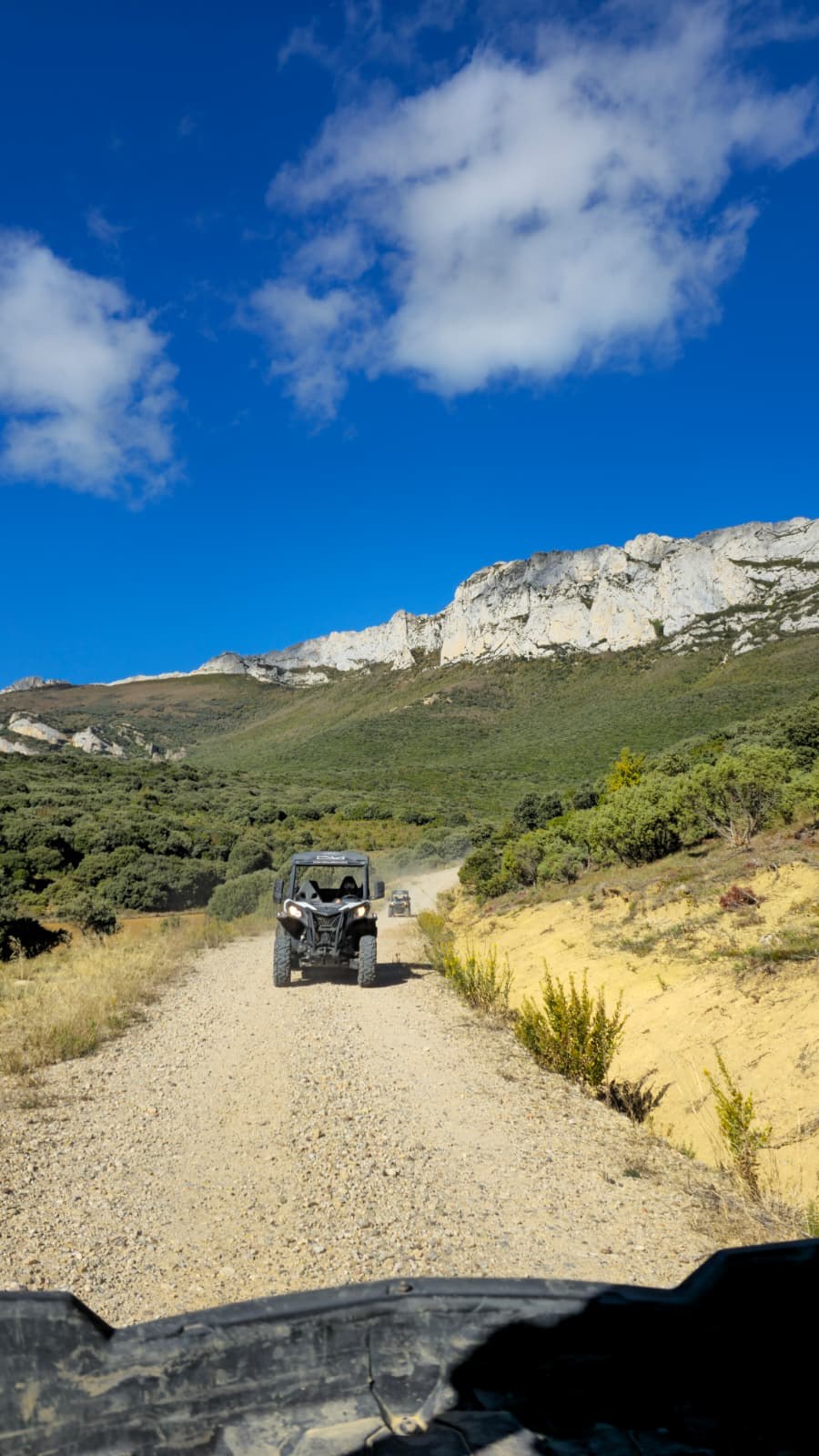
We ride them in buggies, out of Laguardia, with a guide and at an unhurried pace. It’s how you see the part of Álava that isn’t in the guidebooks.
Frequently asked questions
What should I see in Álava in one day?
If it’s your only day: Vitoria in the morning and Rioja Alavesa in the afternoon. If you’d rather have nature, the Salt Valley of Añana and one of the natural parks.
Is Álava in the Basque Country?
Yes. It’s one of the three Basque provinces, along with Bizkaia and Gipuzkoa, and its capital, Vitoria-Gasteiz, is also the Basque capital.
Is Rioja Alavesa in Álava?
Yes, it’s one of the province’s seven comarcas. It’s called Rioja after the wine denomination, which covers three autonomous communities.
When’s the best time to visit Álava?
Spring and fall. In Rioja Alavesa, October is spectacular for the color of the vines.
Do I need a car?
Not for Vitoria. For the rest of the province, essentially yes.
If you’re passing through
Plenty of people end up in Álava because it was on the way somewhere else and stay longer than they planned. Two days covers the main things.
👉 See our buggy tours through Rioja Alavesa — departures from Laguardia.
Coming from the coast? Here’s how to do it as a day trip from Bilbao or Vitoria.
Ride The Land.